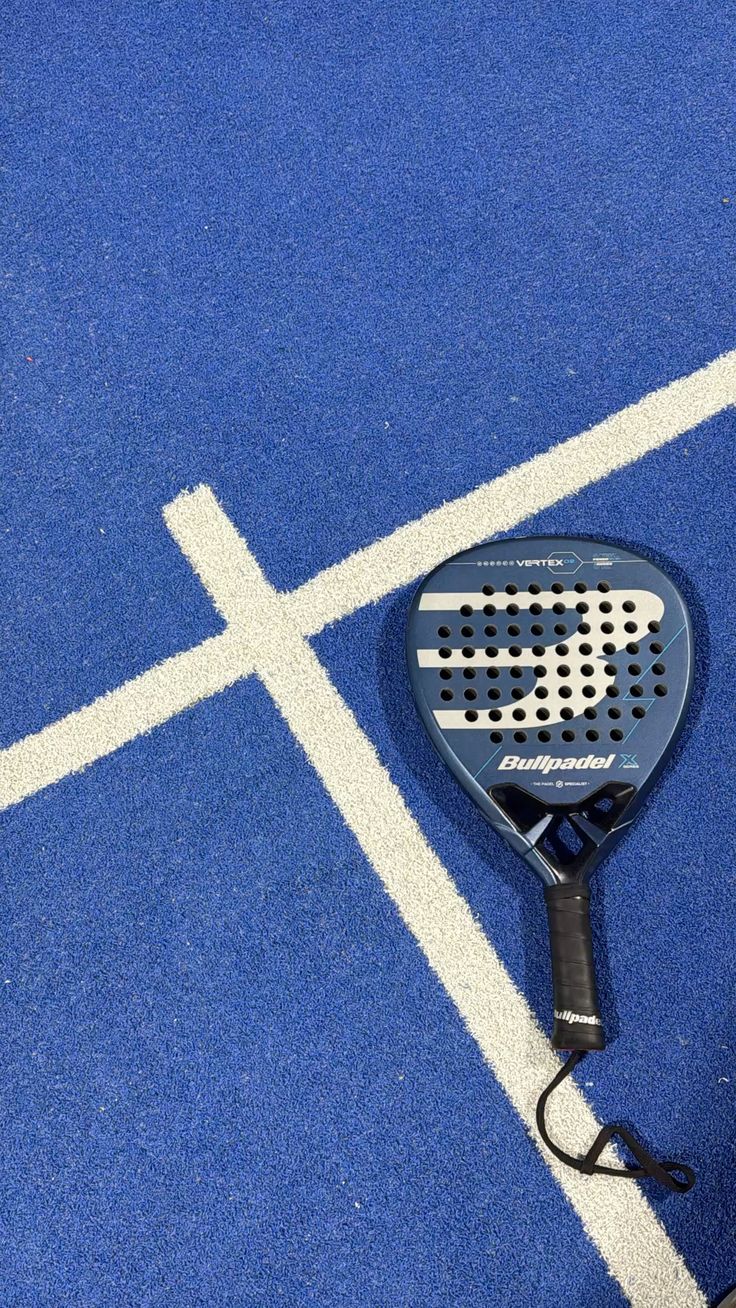
Padel tennis equipment doesn't need to be complicated. But buying the wrong gear can genuinely hold back your game. A racket that's too heavy, shoes with no grip, dead balls. These things matter more than most beginners realise.
Let's break down exactly what you need to play padel in Cyprus, what's worth spending money on, and where to get it.
Padel Rackets: The Most Important Piece of Equipment
A padel racket looks nothing like a tennis racket. There are no strings. Instead, you get a solid face with holes drilled through it, made from carbon fibre, fibreglass, or a mix of both. The frame is usually carbon, and the core is EVA foam or FOAM HR, which affects how soft or firm the hit feels.
Rackets come in three shapes, and each one plays differently.
Round Rackets
The sweet spot sits right in the centre of the face. This makes round rackets the most forgiving shape and the best choice if you're still learning. Control is excellent. Power is moderate. Most coaches, including ours at Green Padel Club, recommend starting here.
Teardrop Rackets
A middle ground. The sweet spot shifts slightly higher than a round racket, giving you a bit more power without sacrificing too much control. Intermediate players tend to gravitate toward this shape once they've nailed the basics.
Diamond Rackets
The sweet spot is high up near the tip. Maximum power, minimum forgiveness. These are for advanced players who can consistently hit the ball cleanly. If your technique is off, a diamond racket will punish you for it.
Weight matters too. Most padel rackets fall between 350g and 390g. Lighter rackets (under 360g) are easier to manoeuvre and gentler on your arm. Heavier ones generate more power but tire you out faster. For most people playing a few times a week, something around 360-370g hits the sweet spot.
We've written a much more detailed breakdown of racket selection, including specific brand recommendations and how to match a racket to your playing style. Read our full guide on how to choose a padel racket.
Padel Shoes: Don't Skip This
Playing padel in running shoes or regular trainers is one of the most common mistakes. And it's a fast track to a rolled ankle.
Padel is all lateral movement. You're shuffling side to side, stopping suddenly, pivoting. Running shoes are designed to go forward. They'll slide out from under you on an indoor court surface.
What to look for in padel shoes:
Herringbone sole pattern. This is non-negotiable. The herringbone tread gives you grip on artificial grass and indoor court surfaces without sticking so much that you can't slide when you need to. All six of our courts at Green Padel Club have surfaces where proper herringbone soles make a real difference.
Lateral support. Reinforced sides prevent your foot from rolling during quick direction changes. Good padel shoes feel snug around the midfoot.
Cushioning. You're on your feet for an hour or more. Decent cushioning in the heel and forefoot reduces fatigue and protects your joints. This becomes more important the more often you play.
Brands like Asics, Bullpadel, and Joma all make padel-specific shoes. Expect to pay between €60 and €130 for a solid pair. They last longer than you'd think if you only wear them on court.
Padel Balls: They're Not Tennis Balls
They look almost identical. Same yellow colour, same fuzzy exterior. But padel balls have lower internal pressure than tennis balls, which means they bounce lower and slower. This is by design. Padel courts are smaller, and a full-pressure tennis ball would fly off the glass walls like a pinball.
The two brands you'll see most often are Head and Wilson. Head Padel Pro balls are probably the most widely used at club level. Wilson Padel Rush is another reliable option. Both come in pressurised cans of three.
Here's the thing about padel balls. They lose pressure fast. A fresh can feels great for one or two sessions, but after that the balls start feeling flat. If you play regularly, budget for new balls every couple of sessions. Some players go through a can per week.
For casual play, slightly depressurised balls are actually fine. They're slower and easier to control, which can be helpful when you're learning. But for matches or competitive play, always crack open a fresh can.
Accessories That Actually Matter
Beyond the big three (racket, shoes, balls), there are a few accessories worth having.
Overgrips. Your racket grip will get slippery with sweat, especially during a Limassol summer. Overgrips are cheap, thin wraps you put over the existing grip. Replace them every few sessions. A pack of three costs about €5. Tourna Grip and Wilson Pro are popular choices.
A padel bag. Not essential when you're starting out, but useful once you accumulate gear. Padel bags are designed to fit the wider racket shape and usually have separate compartments for shoes, balls, and personal items. Most hold two or three rackets.
Wristbands and caps. Simple stuff, but sweat dripping onto your grip hand affects your game. A wristband on your playing hand helps. And if you ever play outdoors, a cap keeps the sun out of your eyes during serves.
Protective eyewear. Not common yet, but growing in popularity. The ball moves fast in a small space, and getting hit in the face does happen. Some players prefer to wear sport glasses, especially in faster-paced games.
Where to Buy Padel Equipment in Cyprus
Finding padel tennis equipment in Cyprus used to be tricky. The sport has only really exploded here in the last few years, and most general sports shops still don't carry much padel-specific gear.
At Green Padel Club in Germasogeia, Limassol, our pro shop stocks rackets, shoes, balls, overgrips, and accessories. You can try before you buy, which is a big deal with rackets. Holding a racket in the shop and hitting with it on court are very different experiences. We'll let you demo rackets on our courts so you know what you're getting.
The pro shop is right next to the Vamos bar, so you can grab a coffee while you browse. It's open during club hours, 7AM to 11:30PM daily.
If you're just getting into the sport and not sure what level of gear you need, book a coaching session and your coach can recommend equipment based on your actual playing style. Much better than guessing from online reviews.
How Much Should You Spend?
A rough budget for a complete padel tennis equipment setup:
Beginner racket: €100 to €200. Intermediate: €200 to €400. Advanced: €300 to €500+. Shoes: €60 to €130. Balls (one can): €5 to €7. Overgrips (pack of 3): €5. A basic bag: €30 to €60.
So you can get fully kitted out for around €200 to €350 at the entry level. That's racket, shoes, balls, and a grip. Not bad for a sport you can play four or five times a week.
One More Thing
Good equipment helps, but it won't replace practice. The best racket in the world can't fix a bad serve. If you're new to the sport, check out our beginner's guide to padel to get the fundamentals right first. Then invest in gear that matches your level as you improve.
Got questions about what to buy? Pop into the pro shop at Green Padel Club, give us a call on +357 99 790444, or email hello@greenpadelclub.com. We're happy to help you find the right setup without overselling you on stuff you don't need yet.